
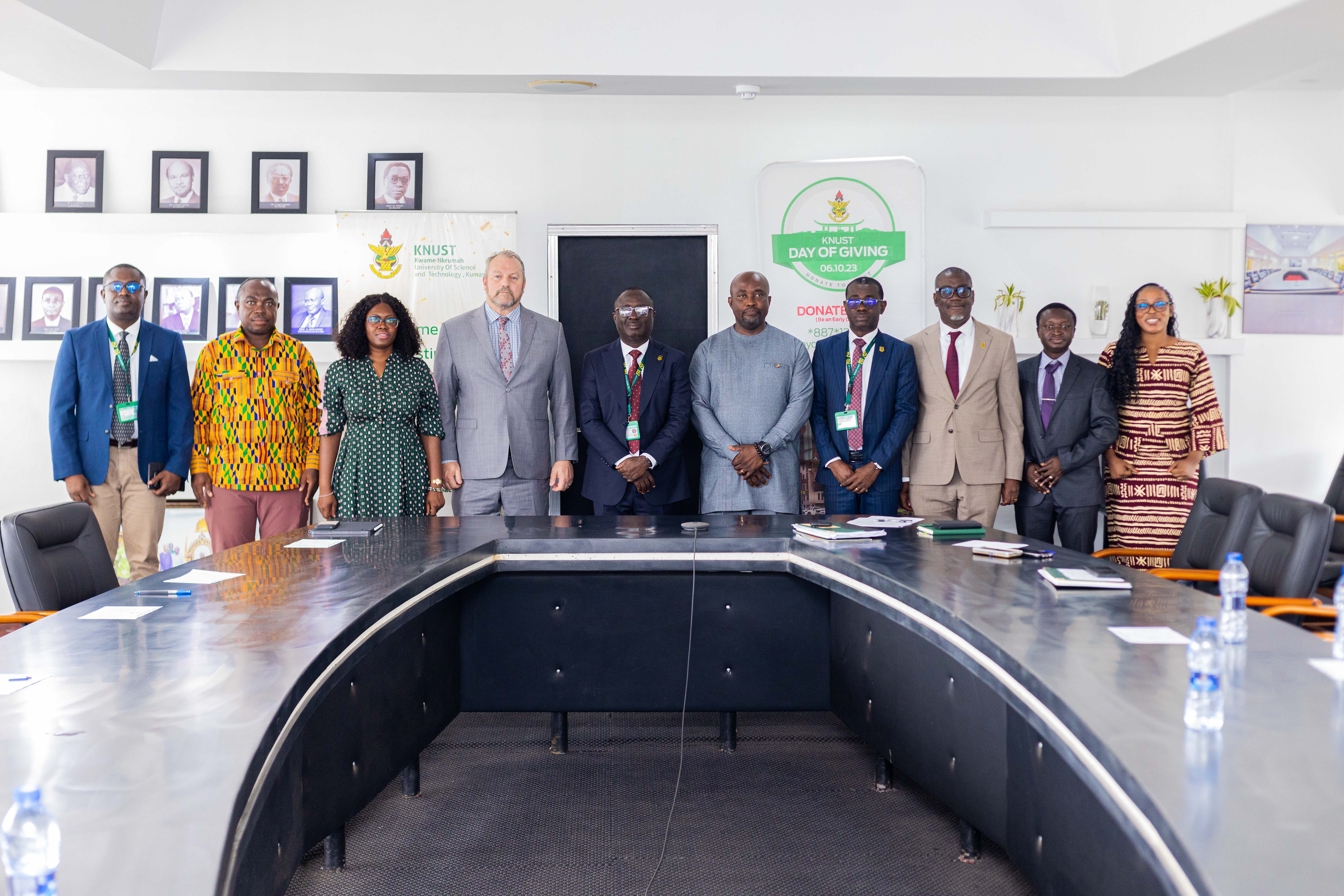
The Kwame Nkrumah University of Science and Technology, Kumasi (KNUST), has inaugurated an advisory board to guide the implementation of a five-year Net-Zero Carbon Emissions Project (NCEP), aimed at providing strategic oversight and strengthening the successful delivery of the initiative.
The project is being implemented in collaboration with the funding agency Yinson Production, with support from the Petroleum Commission and academic partners including New Mexico Tech in the United States, with which KNUST maintains a long-standing academic partnership.
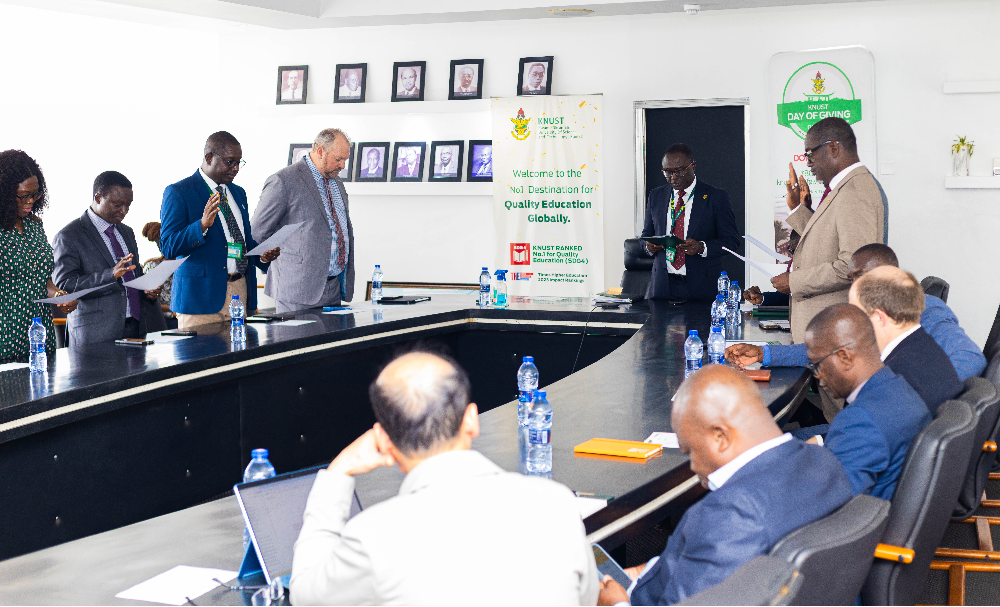
The board is chaired by Dr. Robert B. M. Sogbadji. Other members include Prof. Kwabena Biritwum Nyarko, Prof. Robert Balch, Prof. Ingebret Fjelde, Prof. William Ampomah and Dr. Yen Adams Sokama Neuyam.
Additional members are Dr. Muhammad Aslam Md Yusof, Dr. Daniel Tutu Benefoh, Dr. Charles Ofori Gyamfi, Mrs. Benedicta Akesse Annan, Mrs. Priscilla Antwi Boasiako, Mrs. Naa Opoku Agyeman, Mr. William Anthony, Mrs. Ruth Dzokoto Kumashie and Mr. Frimpong Wiafe Joshua.
Provost of the College of Engineering, Prof. Kwabena Biritwum Nyarko, said the project began following a partnership agreement with Yinson Production to support a five-year research initiative on net-zero carbon emissions at KNUST. He noted that the project had already made significant progress since its launch.
“In terms of progress, a Net-Zero Carbon Emission lab has been fully established and commissioned and currently has six postgraduate students working on the initiative,” he said. “At this stage, the lab is looking at sustainability, particularly training and carbon services support for the sector.”
Prof. Nyarko said the establishment of an advisory board was crucial to ensuring the success and relevance of the project.
“We are looking at representation from industry as well as the scientific community so that the board can provide oversight, ensure the research is relevant and impactful, and also promote the uptake of our findings,” he said.
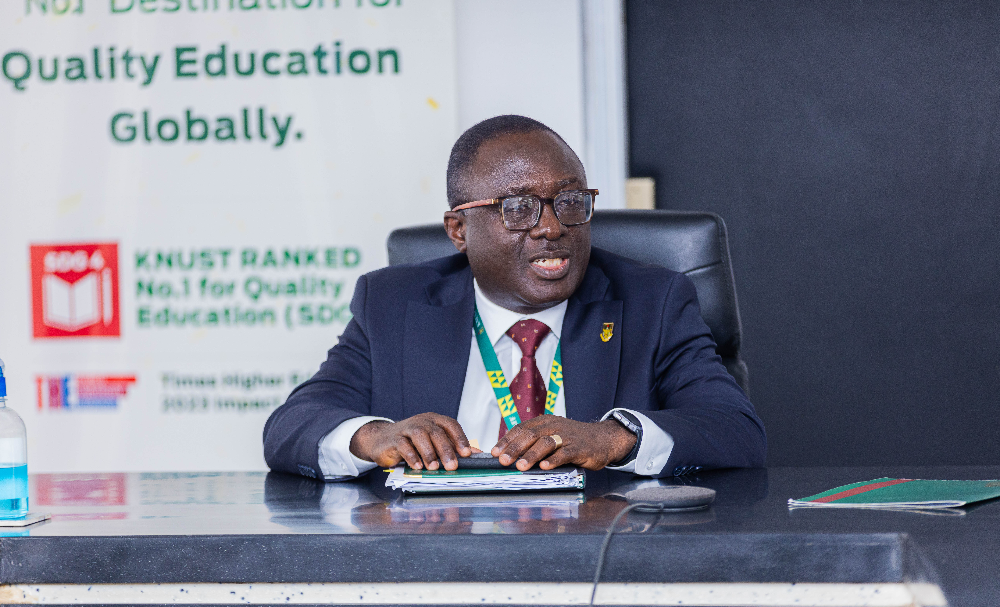
Prof. David Asamoah, Pro Vice-Chancellor, speaking on behalf of the Vice-Chancellor, reaffirmed the university’s commitment to sustainable development.
“As a university, the area of sustainable development is very dear to us,” he said. “Within the next 10 years, we want to be known as a powerhouse when it comes to climate change and sustainability.”
He added that KNUST had already secured a £20 million grant to support climate-related research.
Prof. Asamoah expressed his delight at the inauguration of the advisory board and urged members to work collaboratively.
“We hope that all hands will be on deck to ensure that the Centre’s mandate is fully realized. Board members should leverage their networks and resources to help advance the agenda of NCEP,” he said.
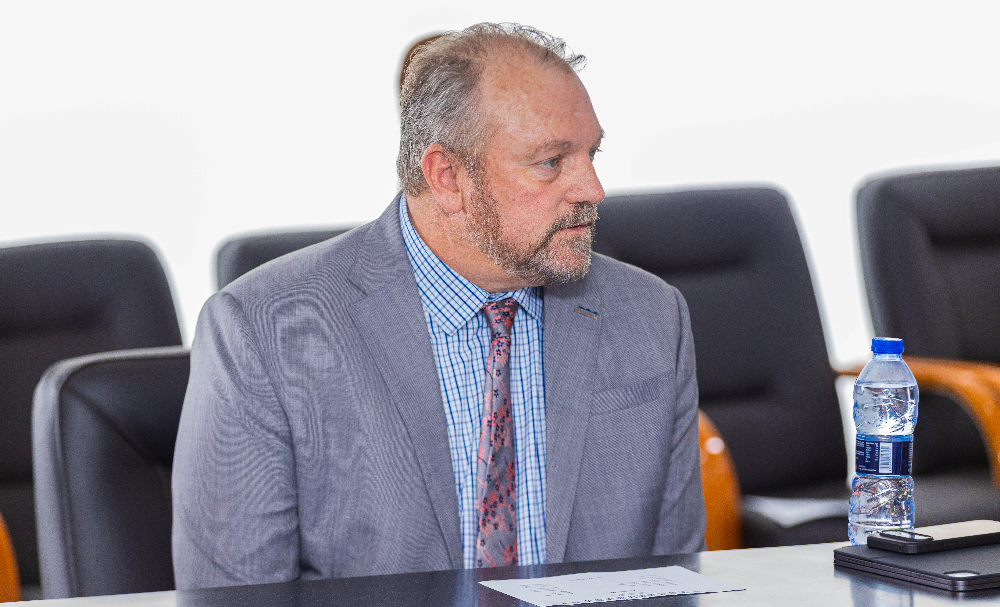
Prof. Robert Balch, Director at New Mexico Tech, expressed his readiness to support the project and provide advice in the energy and sustainability space.
“Many of us have been involved in this space for years or decades, and we are prepared to give the best advice we can to support the program,” he said.
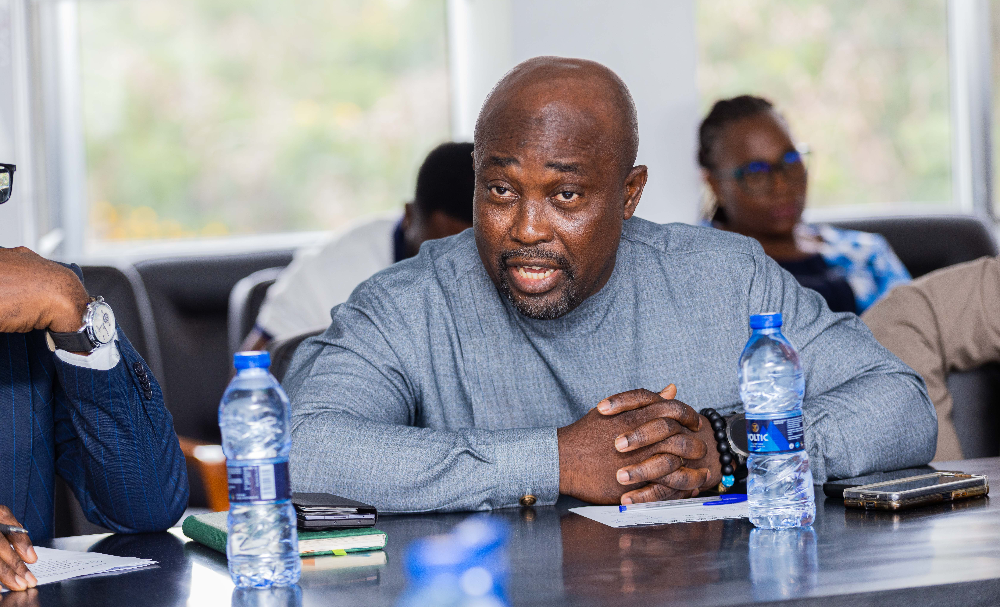
Mr. Seth Mahu, Director of Renewable Energy and Green Transition, assured the board of the ministry’s continued support and encouraged members to work collaboratively to drive the project’s objectives.
Mr. Mahu said the project at KNUST could serve as a national model if successful and called for efforts to leverage collective expertise.
“If KNUST is able to achieve net-zero through the NCEP initiative, it becomes a model and template that the Ministry of Energy and Green Transition can mimic across institutions in the country,” he said.
He highlighted the national importance of the project, noting that it aligns with Ghana’s broader energy transition agenda. According to him, the energy sector remains the largest contributor to carbon emissions in the country, making research and innovation in the area critical.
“Energy remains the largest contributor of CO₂ in this country; therefore, we need to pay attention to it if we want to achieve net-zero in the foreseeable future,” he said.
He also emphasised the need for Ghana to lead its energy transition by building local expertise and leveraging domestic resources.
“We want the transition to be done on our terms by developing the requisite human capital and using the resources that we have in this country,” he said.
Also present at the ceremony were the Registrar Mr. Benjamin Boampong Owusu and College Registrar, Dr. Paul Kwadwo Addo.
By: Akosua Konadu Bandoh | Abigail Ofori Photos: Emmanuel Danquah


